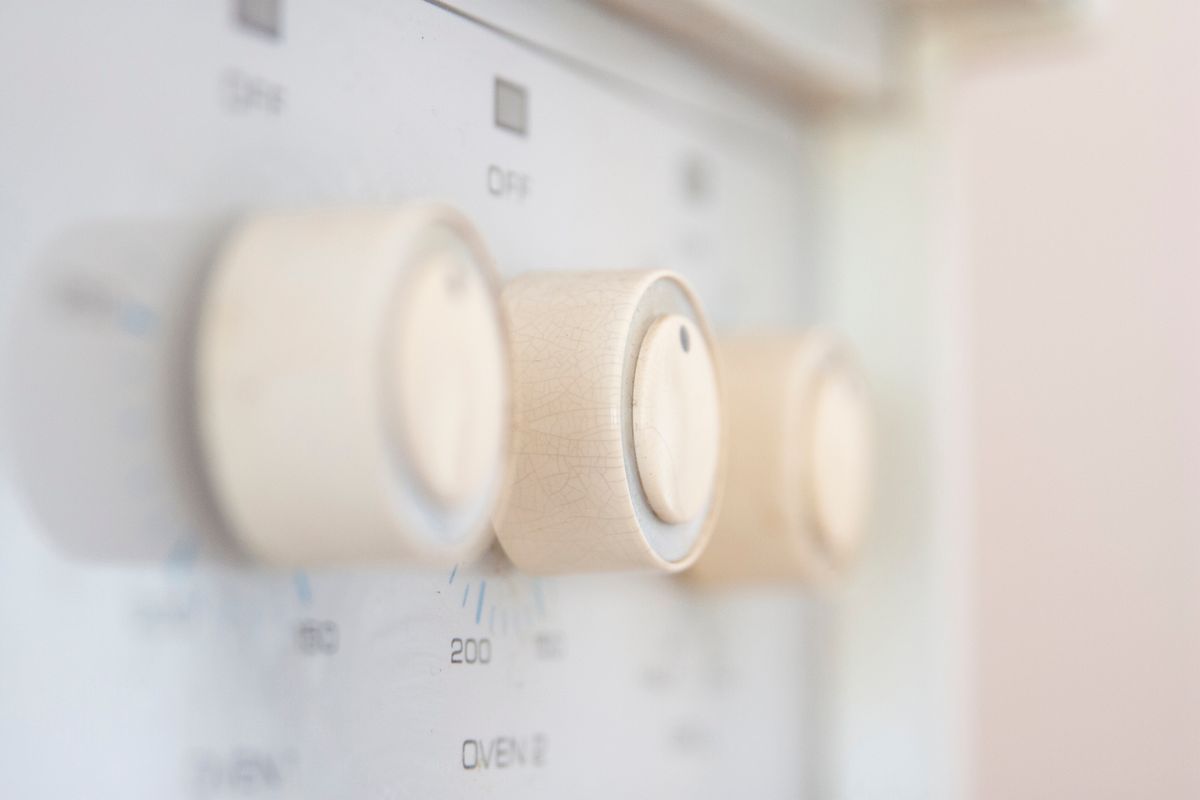
Oven repair Chicago, IL - not heating evenly, won't preheat, or a burner that won't light? We safely repair gas and electric ranges and ovens across Chicago - igniters, bake elements, temperature sensors, and control boards. Same-day service with a flat price quoted before we start. Call (872) 266-4050 now.
Free instant quote
Why Chicago homeowners call first for oven repair
An oven that won't heat evenly, a burner that won't light, or dead controls can bring your kitchen to a halt - and the fix is completely different on gas and electric. A gas range that won't heat is usually an igniter that's too weak to open the gas valve, not a dead range; an electric oven that runs but never reaches temperature is very often a $30 temperature sensor, not a three-hundred-dollar control board. The workers cottages and vintage flats of Pilsen and Bridgeport mostly cook on gas, and decades-old ranges wear out igniters and valves as a matter of course. The newer condos downtown — Streeterville, River North, the West Loop — are overwhelmingly electric, and many pair a wall oven with a cooktop or run dual-fuel. Telling us what your range does, the brand and model, and whether it's gas or electric when you call is the single fastest way to get a one-visit repair, because it is what lets us bring the right igniter, element, or sensor before we leave the shop. You get a flat price quoted and approved before any work begins, and we tell you on the phone whether this is a same-day job or one that needs a second trip for the part — so there is no surprise at the door.
Call (872) 266-4050 or send the model number through the form on this page — we give you one fixed number for your Chicago oven repair before anyone shows up, not an hourly guess that grows as the visit runs.
We cover all 77 Chicago community areas — from the gas ranges of the Pilsen and Bridgeport two-flats to the electric and dual-fuel units of the Streeterville and Gold Coast high-rises — with same-day capacity for genuine emergencies.
Licensed, insured techs handle gas and electric oven and range work and take responsibility for the appliance and your home while they are there — never a DIY gas call.
Our vans carry the failures we see most across Chicago — gas oven igniters, bake and broil elements, temperature sensors, thermal fuses, and common door-latch motors for both standard and pro-style brands — so most calls finish in a single visit.
Chicago Appliance Repair Co provides professional appliance repair in Chicago, IL. Upfront, flat pricing and workmanship you can count on. Get a fast, no-obligation quote today.
Oven & Range Repair · Chicago, IL
The workers cottages and vintage flats of Pilsen and Bridgeport mostly cook on gas, and decades-old ranges wear out igniters and valves as a matter of course. We repair gas and electric ovens across the South and Southwest Sides, from a burner that will not light to an oven drifting off temperature.
Chicago's housing runs old - century-old two-flats, vintage bungalows, and dense high-rise condos - which means appliances here work hard and span every era and brand. Brutal winters strain refrigerators and dryers, and the city's many walk-ups and condos make same-day, in-home repair essential when a fridge or washer fails. Fast, insured service keeps Chicago households running through every season.
A large share of the fridges, furnaces and dryers we fix live in the pre-1930s brick bungalows tracked by the Chicago Bungalow Association.
Residents across the 77 community areas can reach city services and housing resources through the City of Chicago.
For a neighborhood-by-neighborhood read on the districts we cover, residents turn to Block Club Chicago.

An oven that won't heat evenly, a burner that won't light, or dead controls can bring your kitchen to a halt. We repair gas and electric ranges and ovens - igniters, elements, thermostats, and control boards - safely and same-day so you can cook again tonight.
Every Chicago job starts with an upfront, flat quote and finishes with workmanship you can count on.

Short answer: a Chicago oven or range repair is usually one of a small handful of faults, and the first thing a tech has to settle is which fuel you cook on, because the fix is completely different on gas and electric. Most calls come down to a weak igniter, a bake element that burned through, a temperature sensor that drifted, or a control board that stopped talking to the rest of the unit. Naming the failing component settles both the cost and whether a repair makes sense at all, and the verdict has to come from the appliance in front of us, never from a guess off a phone call.
Chicago's building stock splits almost evenly between the two, and the split tells you what to expect before the tech arrives. The pre-war two-flats, greystones and courtyard buildings of Pilsen, Bridgeport, Logan Square and the bungalow belt lean heavily on gas - original gas ranges, often still plumbed to the building's own feed, with standing pilots replaced by electronic ignition decades ago. The newer condos and high-rises downtown - Streeterville, River North, the West Loop, the South Loop - are overwhelmingly electric, and many of them pair a wall oven with a cooktop or install a dual-fuel unit that runs gas burners over an electric oven. Before anyone quotes you a part, know which kind you have: the model number and a look under the cooktop settle it, and a gas range that "won't heat" and an electric oven that "won't heat" are two different repairs.
On a gas oven, the single most common failure is the igniter, and here is the tell most people miss: a weak igniter still glows orange, but it no longer draws enough current to open the gas valve, so you get a burner that never lights - sometimes with a faint gas smell that clears once the safety valve closes. A range where the oven won't light but the stovetop burners work fine points at the oven igniter or the valve, not the supply. On an electric oven, the classic failure is a bake element that burns through - you can usually see the break in the coil - or, when the oven runs but never reaches temperature, a failed temperature sensor, which is the component people most often misdiagnose as "the element" and replace to no effect. A self-cleaning cycle that locks the door and never unlocks is a different fault again, a failed door latch motor, and it is a safety item we treat seriously because the unit stays hot inside for a long time.
An oven that heats but drifts off temperature - runs 50 degrees hot, bakes unevenly, or takes forever to reach the set point - is very often the temperature sensor, a thermistor mounted at the back of the oven cavity. It is a common, inexpensive part, and replacing it is usually far cheaper than the control board people assume is at fault. The same symptom on a gas model can also come from a worn oven thermostat sensing the cavity. Before anyone orders a board, the sensor and thermostat are the parts worth checking, because a board is the expensive end of the scale and a sensor is a modest one.
The lakefront and high-rise kitchens of the Gold Coast, Streeterville and the West Loop lean heavily on pro-style and built-in brands - Wolf, Viking, Thermador, Dacor, Bosch - and those units change the repair-versus-replace math hard. A $8,000 range is not replaced because a $300 bake element or a $150 igniter failed, and matching a built-in opening exactly is expensive and disruptive in a condo. So on these units we almost always repair, and we carry the common igniters, elements, sensors and door latches for the pro brands on the truck. The one honest caveat is the control board: a pro-range mainboard tied to a specific model year can be several hundred dollars, and even there the repair usually still beats replacement on a $10,000 built-in.
For a standard range - a $600 to $1,200 gas or electric unit - the rule is simpler. If the repair price lands above roughly half the cost of a comparable new range, and the unit is past the middle of its expected 13-to-15-year life, replacement usually wins, especially because a new range also gives you a new stovetop and the safety and efficiency improvements of a modern unit. But that is the minority of calls. A bake element, a temperature sensor, a door latch, an igniter or a thermostat is worth repairing at just about any age, because the parts are cheap and the labor is short. The control board and the gas valve sit in a different bracket: labor to access and, on an older unit, the point where we tell you plainly when a new range is the better money.
Our vans are stocked with the failures we run into most - gas oven igniters, bake and broil elements, temperature sensors, thermal fuses and common door-latch motors for both standard and pro brands - so the majority of oven calls are finished on the first trip. A mainboard keyed to a specific model year, or a less common part for a niche brand, is one we diagnose on the first trip and fit on a follow-up visit. Having your model number ready - printed on a sticker inside the oven door jamb or behind the bottom drawer - is the single fastest way to get the job done in one visit, because it tells us which igniter or element to stock before we leave the shop. You get a flat price quoted and approved before any work begins, and we set expectations on the phone about whether this is a same-day job or one that needs a second trip for the part, so there is no surprise at the door.
What we repair
Refrigerators, washers, dryers, dishwashers, ovens, and more - diagnosed and repaired same-day across Chicago and the suburbs, with upfront pricing on every job.

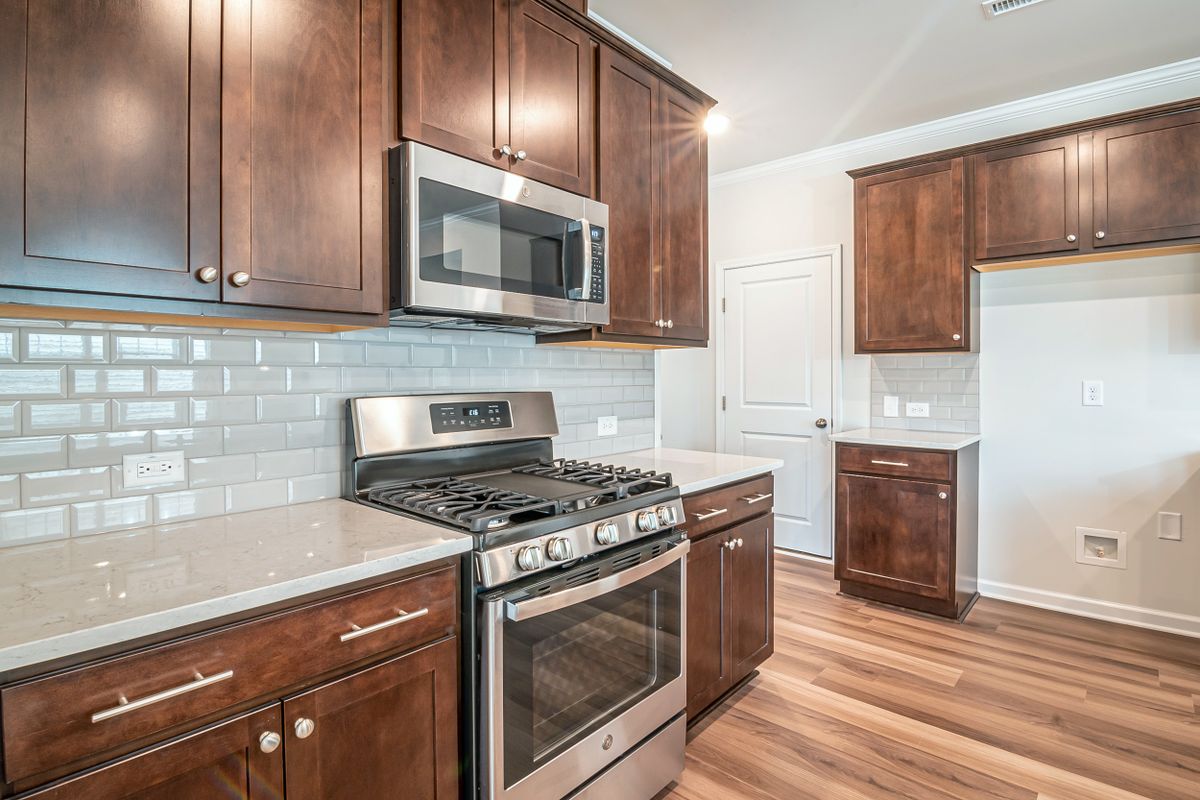
Uneven heat, dead burners, and faulty controls fixed on gas and electric.
How it works
Describe the brand and the problem - get a flat quote fast.
An insured tech arrives with common parts on the truck.
The repair is tested and backed by our workmanship guarantee.
Free estimate
Tell us what needs repair in Chicago — we’ll reach out right away.
Our repair standards
Once the fault is diagnosed you get a flat price to repair it, and you approve it before we go ahead.
Licensed, insured techs do the work and take responsibility for the appliance and your home while they are there.
If the appliance is not working properly after our visit, tell us and we will come back to it.
Example reviews
My dishwasher leaked into the cabinet and they found the failed drain pump in under an hour - flat price, no upsell, and the kitchen was dry by dinner. Insured techs, exactly what I needed for Evanston.
Ran a furnace repair in January and they were at our door the same afternoon. Upfront pricing, clean work, and the diagnostic fee was credited toward the repair. Licensed and insured.
Replaced a broken touchpad on our kitchen range. Quiet, clean, and the tech explained the fix before doing it. We called them again for a second appliance two months later.
Was initially quoted a full replacement for a 12-year-old washer, then they diagnosed the failing hose pump and repaired it for a fraction of the cost. Upfront flat price and same-day service.
A refrigerator condensation problem that had our subfloor at risk - they located the leak, dried the area, and repaired the unit same-day. The follow-up call the next week confirmed the fix held.
Example reviews shown for illustration.
FAQ
Chicago oven repair pricing is a flat number, given once the fault is diagnosed — typically 150-350 dollars for a bake element, temperature sensor, or door latch, and 350 dollars or more for a gas igniter, control board, or gas valve. The diagnostic fee applies up front and is credited toward the repair once you approve it, so a Chicago job never costs you twice.
Most oven calls finish in a single visit once we confirm your model — usually under two hours on-site. The one that needs a return visit is a control board tied to a specific model year or a part for a brand with a thin regional supply chain, and we tell you that on the phone before anyone comes.
For a standard gas or electric range, the rule is simple: if the repair price lands above roughly half of what a comparable new unit costs and the range is well past its expected 13-to-15-year life, replacement usually wins. A bake element, temperature sensor, igniter, or thermostat is worth repairing at just about any age — those are cheap, high-value repairs. The control board and gas valve sit in a different bracket, and on an older unit we tell you plainly when a new range is the better money.
Yes — and gas oven repair is one of the calls we handle most. A gas oven that won't heat is very often a weak igniter that still glows orange but no longer draws enough current to open the gas valve, a common failure on the older gas ranges common in Chicago's two-flats, greystones, and vintage kitchens. We diagnose the igniter, the valve, and the control sequence and quote a flat price before we touch anything.
Yes — electric ranges, wall ovens, and dual-fuel units are the norm in Chicago's newer condos and high-rises, and we repair them every day. A bake element that burned through, a temperature sensor that drifted, or a control board that stopped talking to the unit are all routine fixes. Because matching a built-in opening exactly is expensive, the repair-versus-replace math tips hard toward fixing on these units — we quote the repair and the realistic replacement side by side so you can see the difference before you spend.
Upfront, flat pricing and satisfaction guaranteed — get your free quote today.
Service area
Local appliance repair crews covering Chicago, IL and nearby communities. A large share of the fridges, furnaces and dryers we fix live in the pre-1930s brick bungalows tracked by the Chicago Bungalow Association.